
Fuse Box & Electrical Upgrades for EV Charging in Derby & Derbyshire
EV CHARGER UPGRADES ACROSS DERBYSHIRE

Does Your Electrical System Support EV Charging?
Before installing an EV charger, the first question we always ask is whether your home or business has the electrical capacity to support it safely. EV chargers draw a significant amount of power, and while most modern properties can accommodate them, many older consumer units or heavily used electrical systems may need some upgrades first.
A dedicated EV charging circuit must be able to operate safely alongside the rest of your electrical equipment. If your system doesn’t have enough spare capacity — or lacks the right safety protections — installing a charger without making adjustments could lead to nuisance tripping, overheating, or in some cases, more serious risks.
That’s why every installation begins with a thorough assessment. We check your consumer unit, main fuse, earthing arrangements and overall electrical demand. This isn’t just a formality — it’s an essential step in ensuring your charger works reliably and your property remains fully protected.
Most Derbyshire properties are suitable for smart EV charging once the correct checks and safety features are in place. If we identify anything that needs upgrading, we’ll explain it clearly and offer straightforward options so you can make an informed decision. Our goal is always the same: to ensure your EV charger runs safely, efficiently and without putting unnecessary strain on your electrical system.
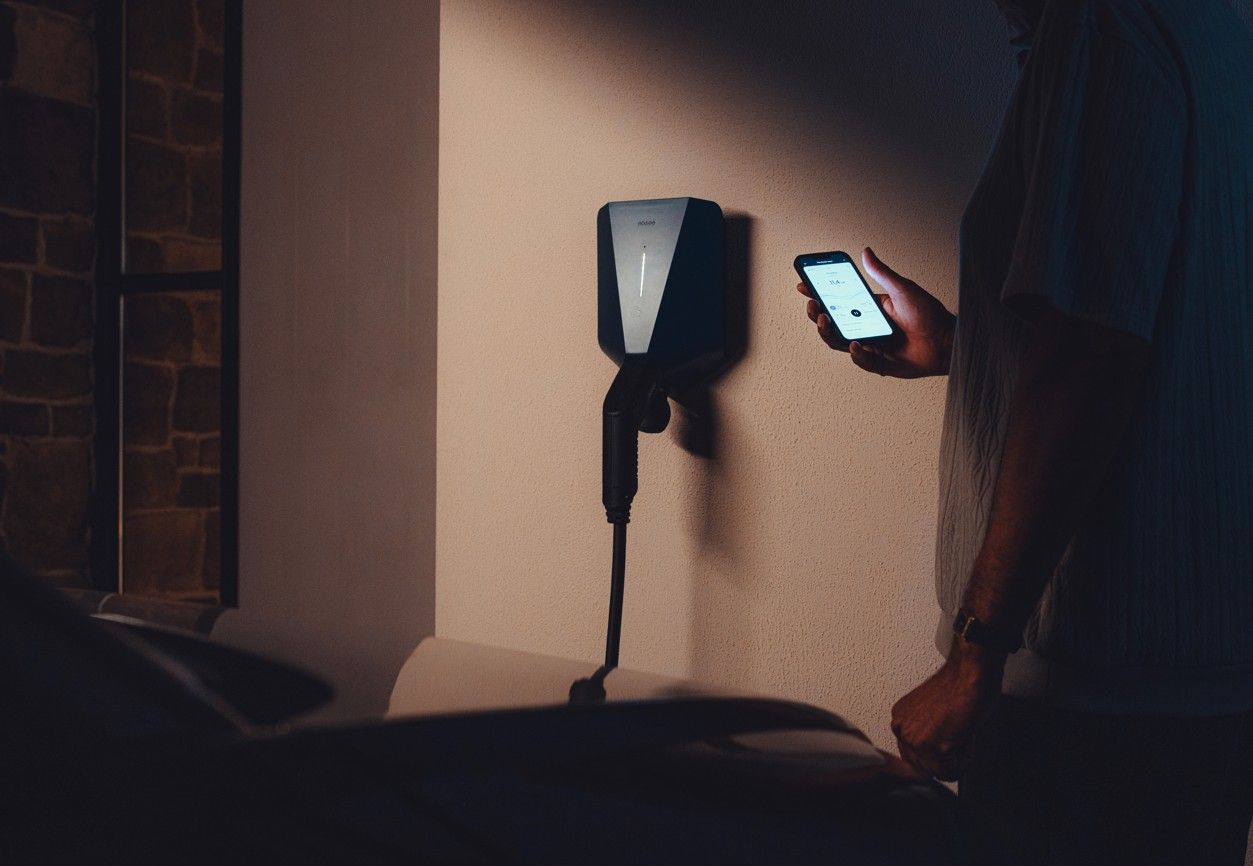
ELECTRIC CAR CHARGER UPGRADING NEAR ME
If you are looking for electric care charger installer near me in Derby or Derbyshire we're ideal, simply get in touch!
Why Fuse Box Upgrades Are Often Needed
As EV chargers require a dedicated, high-capacity circuit, many homes and commercial premises need some level of consumer unit (fuse box) upgrade before installation. This isn’t because EV charging is unsafe — it’s because older or overloaded electrical systems were never designed to handle modern, high-demand devices.
Older Consumer Units
Many properties in Derbyshire still have fuse boxes dating back 20, 30 or even 40 years. These units often:
- Lack modern safety devices
- Have limited spare ways for new circuits
- Use old-style fuses instead of breakers
- Cannot support the power demands of a charger
Even if your electrics “seem fine”, these older boards can be unsuitable for new EV circuits.
No RCD / RCBO Protection
Electric vehicle chargers must be installed on circuits protected by an RCD or RCBO. If your fuse box doesn’t have this protection built in, it may need upgrading or adapting to meet current regulations.
No Surge Protection
The latest wiring regulations require many installations — including EV chargers — to include surge protection devices (SPD) to protect your home and equipment from power surges. Older units rarely have these fitted.
Limited Spare Capacity
If your consumer unit has no free circuits available, or the main fuse is already close to its safe limit, additional work is required to prevent overloading the system.
Improving Long-Term Safety
Upgrading the fuse box isn’t just about meeting regulations — it ensures your entire electrical system is safer, more reliable and able to support modern appliances, extensions and future renovations. If a fuse box upgrade is needed, we’ll explain exactly why, outline all available options and complete the work to a professional standard. We always prioritise safety and long-term reliability over quick fixes.
Electrical Safety Requirements for EV Chargers
EV chargers place unique demands on a property’s electrical system, which is why the regulations for installing them are stricter than for most household circuits. To ensure long-term safety and compliance, several key protections must be in place before an EV charger can be connected.
RCD / RCBO Protection
Every EV charger must be connected to a circuit protected by an RCD (Residual Current Device) or, preferably, an RCBO (a device that combines RCD and overcurrent protection). These devices detect faults instantly and cut power before any damage can occur.
If your consumer unit doesn’t have suitable protection built in, we install the correct devices or recommend an upgrade.
Surge Protection (SPD)
Current wiring regulations require homes and businesses to have surge protection in many cases. EV chargers are sensitive to voltage spikes, and fitting an SPD helps protect your charger, your vehicle, and the rest of your electrical system from damage during electrical surges.
Correct Earthing Arrangements
Earthing is one of the most important considerations when installing EV chargers.
We check for:
- PME earthing issues (common in UK homes)
- Whether your earthing system is safe for EV charging
- Whether additional protection (such as an earth rod) is needed
Some properties need specialised solutions depending on their incoming supply type. We’ll explain everything clearly and carry out any corrections that are required.
Bonding Requirements
Your home or business must have adequate main bonding to water and gas pipes. This helps prevent dangerous electrical potential differences in the event of a fault. If bonding is missing or undersized, we upgrade it as part of the preparation.
New Dedicated Circuit
EV chargers must always be installed on their own dedicated circuit to prevent overload and ensure stable performance. Sharing circuits (e.g., with sockets or appliances) is not allowed under current regulations.
Compliance With the Latest Wiring Regulations
All EV charger installations must comply with BS 7671:2018 (and relevant amendments). We ensure every part of the installation — from cabling to protection devices — is fully up to current standards.
These safety requirements are not optional; they are essential to protect your home, your vehicle and everyone who uses the charger. We take every step seriously to ensure your installation is safe, compliant and built to last.
EV CHARGING SET UP
If you want to ensure your electric systems are ready for EV charging in Derby or further afield in Derbyshire simply get in touch with us today to discuss your EV charging requirements!
Load Calculations & Capacity Checks
Before installing an EV charger, we carry out a detailed load calculation to make sure your electrical system can handle the extra demand safely. This step is essential, especially for older homes, busy family households, and commercial premises with high electrical usage.
How Load Calculations Work
We assess the total power your property currently uses, taking into account:
- Heating and hot water systems
- Cooking appliances
- Showers and immersion heaters
- Lighting
- Sockets and general appliances
- Business machinery or IT equipment (for workplaces)
We then compare this against the maximum capacity of your electrical supply.
Main Fuse Considerations
Most homes in Derbyshire have a main fuse rated at 60A, 80A or 100A.
EV chargers typically use between 16A and 32A, depending on type.
If your main fuse is already close to its limit — or if several high-demand appliances run at the same time — charging may need to be carefully managed.
Where needed, we can:
- Apply load balancing
- Recommend changes to energy usage patterns
- Fit smart systems to distribute power safely
- Liaise with your DNO (Distribution Network Operator) if a fuse upgrade is requested
High-Demand Homes
Properties with hot tubs, electric showers, underfloor heating, power-hungry kitchen appliances or multiple electric vehicles often need extra planning. We assess everything to ensure your charger won’t overload the system.
Commercial Capacity Checks
Workplaces can have complex electrical demands from machinery, IT equipment, refrigeration, lighting and HVAC systems. We calculate peak loads and ensure supporting multiple workplace chargers integrates smoothly without disrupting essential operations
Why These Checks Matter
Load calculations are not about selling upgrades — they are about ensuring:
- Your charger operates safely
- Your main fuse is protected
- Your home or business avoids nuisance tripping
- You get reliable day-to-day charging
- Your electrical system remains compliant
This step is one of the most important safety measures in the entire EV charger installation process.
Types of Upgrades We Provide
Every property is different, and the upgrades needed for safe EV charging can vary widely. We provide a full range of electrical improvements to ensure your system meets current regulations and can support a modern EV charger without any issues.
New Consumer Unit (Fuse Box) Upgrades
If your existing fuse box is outdated, lacks RCD/RCBO protection, has no surge protection or has no spare capacity, a new consumer unit is often the safest and most effective solution. Modern units offer:
- Individual RCBO protection on each circuit
- Built-in surge protection devices (SPD)
- Greater capacity for future circuits
- Improved safety to meet current regulations
A new consumer unit future-proofs your home or business and ensures your charger runs reliably for years to come.
Installing New Dedicated EV Circuits
We install a dedicated circuit for every EV charger, using the correct cable size, protective devices and routing method. This prevents overload and ensures the charger receives a stable, safe supply.
RCD / RCBO Upgrades
Some newer consumer units don't need complete replacement — they simply require additional RCD or RCBO protection for the EV circuit. This can be a cost-effective way to meet EV charger safety requirements.
Surge Protection (SPD) Installation
If your consumer unit doesn’t have a surge protection device, we can install one to protect:
- Your EV charger
- Your vehicle
- Your home appliances
- Your electrical system in general
SPDs reduce the risks caused by lightning strikes or voltage spikes on the grid.
Earthing & Bonding Upgrades
We upgrade undersized or missing bonding and ensure your earthing system is safe for EV charging. For certain supply types — especially PME systems — additional measures may be required. We handle all of this safely and in line with regulations.
Distribution Board Upgrades for Businesses
Commercial properties may need new breakers, additional ways, upgraded distribution boards or extended circuits to support workplace EV charging. We carry out this work with minimal disruption to business operations.
Minor Remedial Work
Some installations may require smaller tasks such as:
- Tidying previous wiring
- Upgrading old cabling
- Replacing broken or outdated components
We complete all remedial work in-house, ensuring your electrical system is in the right condition before installing your charger. These upgrades ensure your EV charger operates safely, efficiently and in full compliance with the latest wiring standards.
Preparing Older Homes or Extensions
Derby and the wider Derbyshire area have a diverse mix of properties, from 1930s semis and Victorian terraces to newer builds and extended homes. Older houses in particular can require additional care when preparing for EV charger installation, simply because their electrical systems weren’t designed with modern, high-demand equipment in mind.
Older Properties (Pre-1990s)
Homes built before the 1990s often have ageing consumer units, no RCD protection and limited circuit capacity. Cabling may also have been extended or altered over time, especially in houses with multiple renovations. We carefully assess the condition of the original wiring and identify whether any upgrades are necessary to support a safe EV charging setup.
Properties With Extensions or Loft Conversions
Extensions can sometimes overload the original consumer unit, especially when kitchens or bathrooms have been added. Many older boards end up full, leaving no space for a dedicated EV circuit. We check that your electrical layout is suitable and, if needed, recommend updates to support both existing circuits and the new charger.
Garages, Outbuildings & Garden Rooms
For homes where the charger needs to be positioned away from the main property — such as in detached garages or garden offices — additional consideration is needed. Cable runs may be longer and may require burial, conduit or protective ducting. We ensure all external wiring is secure, weather-resistant and compliant with regulations.
Mixed Wiring & Older Installations
It’s not unusual to find a mixture of older wiring, differing standards or DIY alterations in older homes. We inspect these carefully to ensure the charging circuit is safe. If we find anything that could compromise safety or performance, we’ll explain the options clearly and carry out any required work professionally.
Tailored Solutions for Derby Housing Stock
From terrace homes near the Cathedral Quarter to rural cottages and post-war semis across Mickleover, Allestree and Littleover, we tailor every installation to the specific challenges of your property. Our aim is always the same — a safe, tidy and long-lasting EV charging setup that works with your home, not against it.
What Happens During an Electrical Upgrade?
Electrical upgrades can sound disruptive or complicated, but in most cases the process is straightforward and completed within a few hours. We handle the entire upgrade from start to finish, ensuring your property is safe, compliant and ready for EV charging.
1. Power Isolation
We begin by turning off the electricity supply to your home or business. This ensures a safe working environment while we remove the old consumer unit or add the necessary upgrades. Power is usually off for a short period, and we’ll always let you know in advance so you can plan around it.
2. Removing the Old Equipment
If a new consumer unit is required, we safely disconnect the old fuse box and remove it. We’ll also tidy the wiring behind it, removing outdated components or incorrect DIY additions if needed.
3. Installing the New Consumer Unit or Upgrades
We fit the new consumer unit or additional protection devices, making sure:
- All circuits are clearly labelled
- RCBO or RCD protection is added where needed
- Surge protection devices (SPD) are installed if required
- The layout meets the latest wiring regulations
For workplaces, we may also add breakers or upgrade distribution boards to support multiple chargers.
4. Reconnecting & Testing Circuits
Once the new unit or upgrades are installed, we reconnect all circuits and carry out thorough testing. This includes:
- Earth fault loop impedance tests
- RCD/RCBO trip tests
- Verification of bonding
- Continuity checks
- Inspection of existing cabling
We ensure everything meets current electrical standards before restoring power.
5. Certification & Documentation
After testing, we issue all relevant certification, including an Electrical Installation Certificate (EIC) or Minor Works Certificate, depending on the level of work completed. This proves your property is safe, compliant and ready for your EV charger.
6. Clean & Tidy Finish
We always leave the property tidy and make good any areas affected by the work. As part of the Derbyshire Specialists Group, we can also assist with further repairs or improvements if needed.
7. Installing the EV Charger (If Booked)
Once your electrical system is ready, we can proceed with the EV charger installation — either the same day or at a time that suits you.
Our upgrade process ensures your home or workplace has the safe, reliable electrical foundation needed to provide EV charging and support integrating solar and battery storage for many years to come.
Why Electrical Safety Matters for EV Charging
EV chargers are powerful devices that place a sustained load on your electrical system. When everything is installed correctly, EV charging is extremely safe — but when the installation is rushed or completed without proper upgrades, it can introduce risks that affect your property, your charger and even your vehicle.
Preventing Overloads
A charger that draws too much power for your home or business can overload circuits, causing nuisance tripping or, in rare cases, overheating. Correct load calculations, dedicated circuits and proper protective devices ensure this never happens.
Protecting Against Electrical Faults
RCDs, RCBOs and surge protection devices exist to protect people and equipment. Without them, a fault could cause electric shock risk, damage to your charger or even harm your vehicle’s onboard systems. These protections react instantly, cutting power before any danger can occur.
Avoiding Fire Risks
Old fuse boxes, undersized wiring or DIY electrical work can significantly increase fire risk when combined with the high demand of EV charging. Upgrading your consumer unit helps ensure your property meets modern safety standards designed to prevent these issues.
Ensuring Charger Performance
A charger installed on an inadequate electrical system may run slowly, inconsistently or fail to maintain full charging power. A safe, modern electrical setup ensures:
- Faster charging
- Reliable performance
- Better long-term efficiency
Meeting Legal & Regulatory Requirements
EV charger installations must comply with BS 7671 (IET Wiring Regulations). If your electrical system doesn’t meet minimum standards, upgrading is not optional — it’s a legal requirement for safe installation.
Protecting Your Home, Business & Vehicle
Your EV is a major investment. Ensuring that your electrical infrastructure is safe not only protects the charger but also safeguards the electronics inside your vehicle. Electrical upgrades aren’t about selling extra work — they’re about ensuring your property can handle this modern technology safely, reliably and in full compliance with the latest regulations.
MOST COMMON EV CHARGING UPGRADE QUESTIONS:
Book an Electrical Assessment for EV Charging
If you’re planning to install an EV charger — or you’re unsure whether your current electrical system is suitable — we’re here to help. A quick electrical assessment gives you clear answers about your consumer unit, capacity and any upgrades needed to support safe, efficient charging. Once done, we are able to provide a bespoke cost breakdown for your EV charging installation.
We carry out assessments and electrical upgrades for home EV charger installation and businesses across Derby and Derbyshire, including Allestree, Mickleover, Littleover, Chaddesden, Oakwood, Spondon, Belper, Ripley, Ilkeston and surrounding areas. Whether your property is new, old or somewhere in between, we’ll make sure it’s fully prepared for EV charging.
Get in Touch to Arrange Your Assessment
- Send us a few photos of your consumer unit
- Ask us to check your electrical capacity
- Find out if you need a fuse box upgrade
- Get advice on safe EV charging for your property
- Book an on-site survey if required
We’ll explain everything clearly, recommend the safest approach and carry out any upgrades to the highest standards.
Get in touch today to book your electrical assessment and prepare your home or business for an EV charger installation in Derbyshire.
Derbyshire Electrical Specialists provide:
Electric Vehicle Charger Installers Derby, Electric Vehicle Charger Installers Allestree, Electric Vehicle Charger Installers Ashbourne, Electric Vehicle Charger Installers Alfreton, Electric Vehicle Charger Installers Belper, Electric Vehicle Charger Installers Breaston, Electric Vehicle Charger Installers Clay Cross, Electric Vehicle Charger Installers Heanor, Electric Vehicle Charger Installers Hilton, Electric Vehicle Charger Installers Ilkeston, Electric Vehicle Charger Installers Long Eaton, Electric Vehicle Charger Installers Matlock, Electric Vehicle Charger Installers Ripley, Electric Vehicle Charger Installers Sandiacre, Electric Vehicle Charger Installers South Normanton, Electric Vehicle Charger Installers Somercotes, Electric Vehicle Charger Installers Swadlincote,